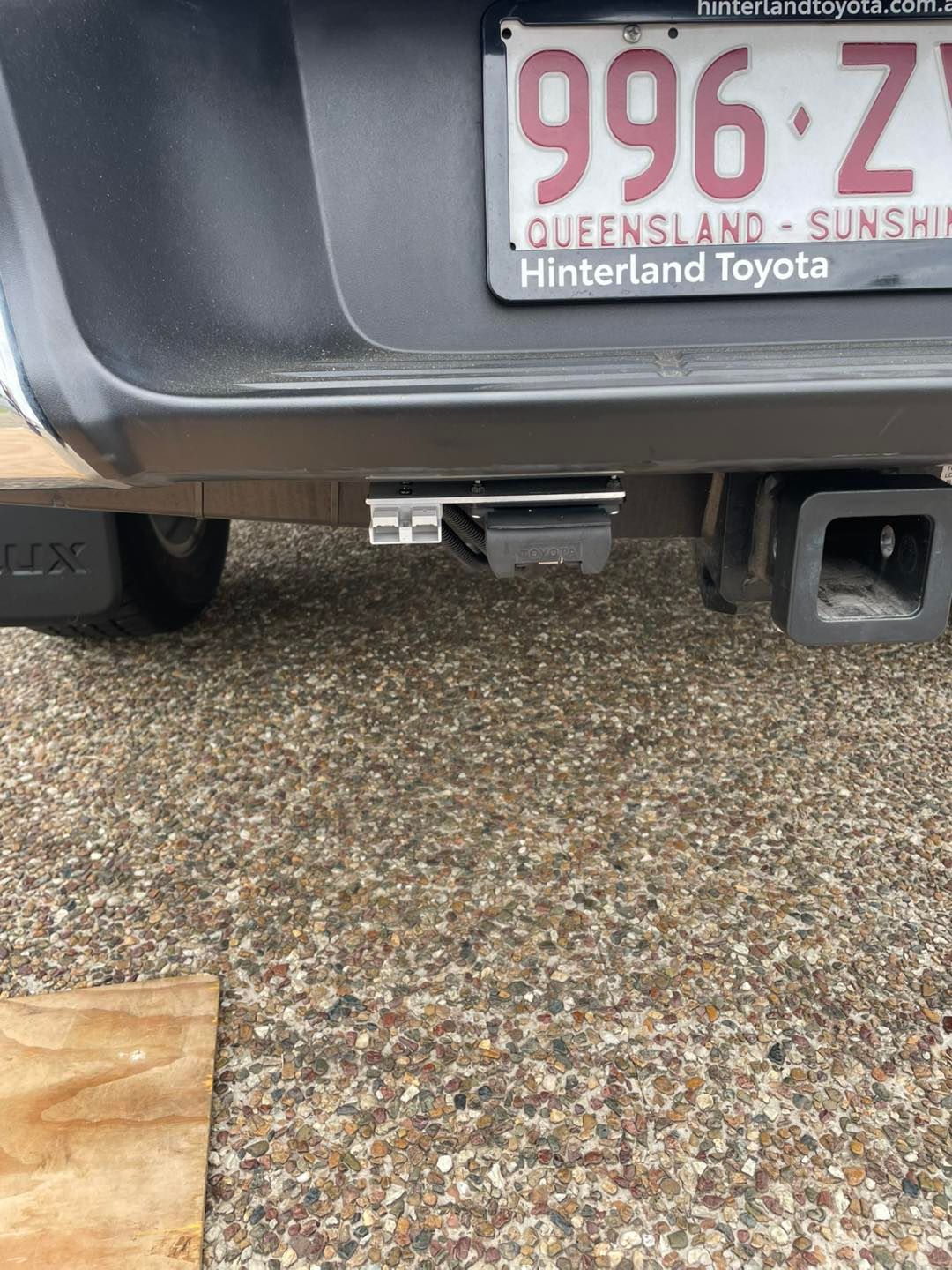
Anderson Plugs on the Gold Coast


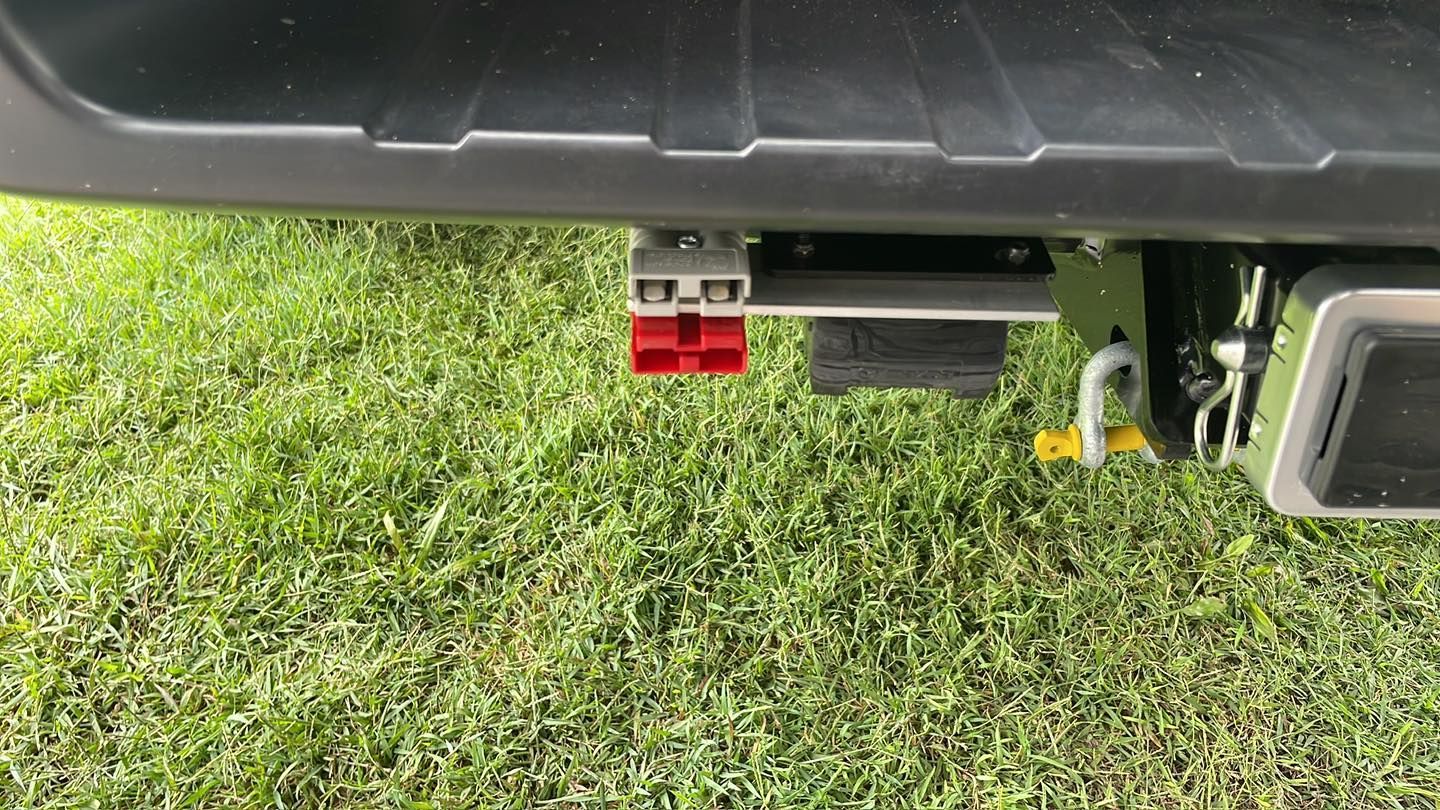
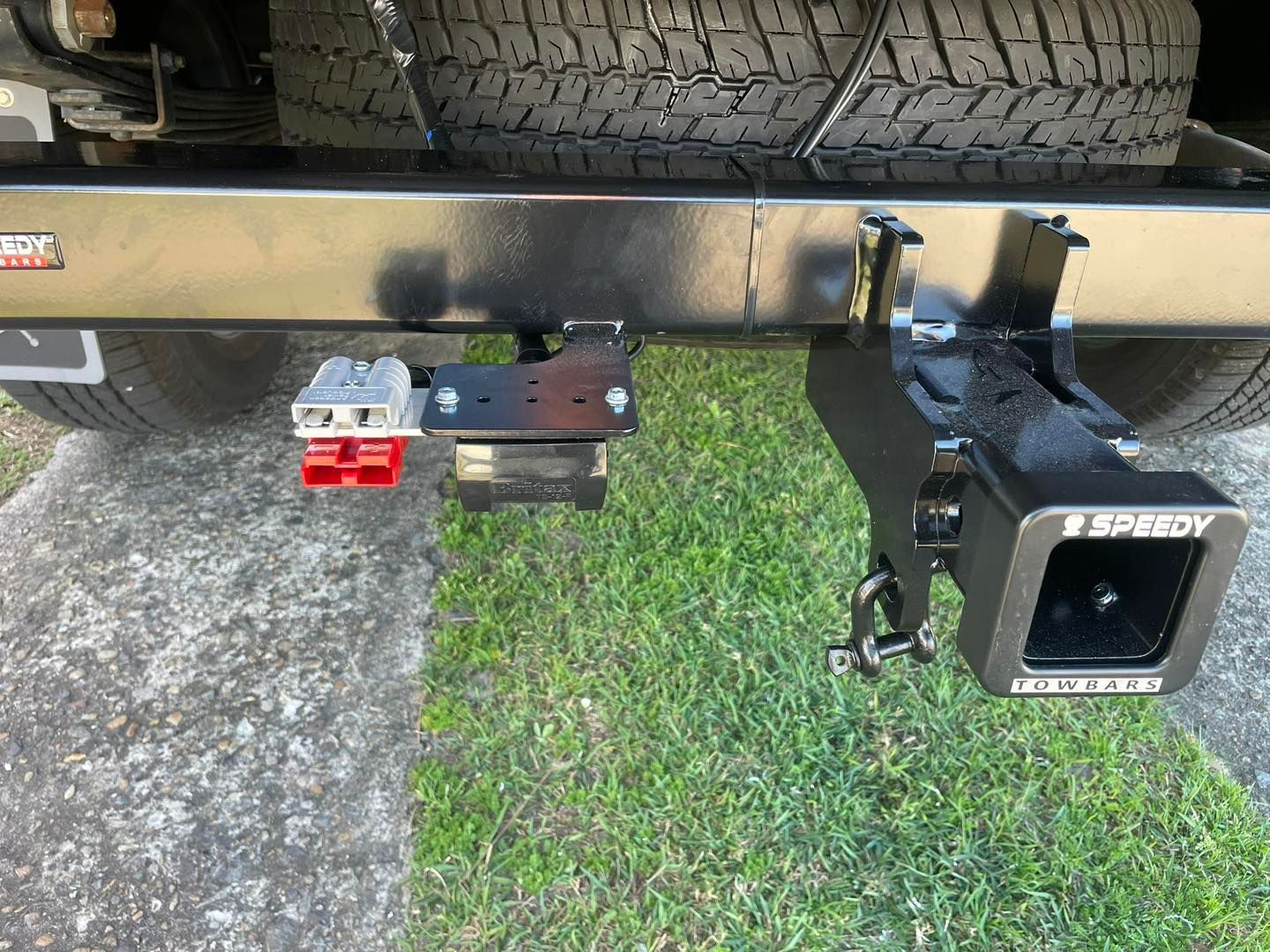
Anderson Plugs Fitted for Heavy Draw


Power drop hits hard when you’re towing across the Gold Coast, especially when the fridge cuts out near Burleigh Hill or your caravan battery dips before you reach Springbrook.


At Glenn Rowe Auto Electrics, we fit Anderson plugs that keep power steady through tight bends, highway hauls and the constant vibration you cop on backroads toward the hinterland. We look at how your trailer moves, how your accessories draw current and where the wiring copes with the most stress.


Once the routing and connector size match your setup, power stays stable without any extra stress. If you’d like a clean, confident setup from the first trip, give us a call on 0477 123 586.
Contact Us

Anderson Plugs That Hold Under Vibration


Anderson plugs shine on the Gold Coast because towing here means switching between packed coastal streets and long climbing runs toward the valleys. High-current accessories like compressors, fridges, chargers and dual batteries all draw differently as heat and movement shift across the wiring.


We check the placement carefully so the plug avoids rubbing, strain or twisting during those slow ramps at Tallebudgera Creek or the steady climbs beyond Mudgeeraba.


A strong contact surface keeps the current clean which stops flickering gear and half-charged batteries. Even small changes to cable paths can make the entire setup feel far smoother across a full day’s drive.

Get In Touch

Frequently Asked Questions

  • Why do some Anderson plugs heat up under load even when they’re rated for high current?

    Heat build-up happens when resistance climbs somewhere in the circuit. The plug may be rated correctly, but the wiring behind it might not be thick enough for the actual draw. Loose crimps can also increase resistance which converts energy into heat instead of power.


    If the contacts inside the plug aren’t fully seated, they arc slightly each time current rises which warms the housing quickly. Dirt or corrosion inside the connectors also raises resistance.


    When the wiring, crimps and contacts all match the load, the plug runs cool even during heavy charging.

  • Why does voltage drop matter so much with Anderson plug setups for caravans and trailers?

    Voltage drop affects how efficiently power reaches your battery or device. A long run of cable between the tow vehicle and the trailer can lose voltage as it travels which means your gear receives less than the charger is sending. This slows charging and affects any equipment that relies on stable voltage.


    Fridges often cycle harder because they sense reduced voltage as a low battery condition.


    Matching cable thickness to the length of the run matters because thicker cable carries current more effectively. The goal is to have minimal loss from one end to the other.

  • Why are Anderson plug failures often caused by movement rather than electrical faults?

    Movement strains the cable at the point where it enters the plug. Over time the copper inside the insulation work-hardens and breaks strand by strand. This creates partial contact even though the outside looks fine.


    Trailer vibration also loosens poorly fitted crimps which reduces the effectiveness of the connection. If the plug isn’t mounted securely, each bump pulls against the contacts which weakens the spring pressure that keeps them together.


    A firm mount and tidy cable path drastically reduce mechanical stress which keeps the electrical side healthy.

  • Is there a difference between grey and other coloured Anderson plugs?

    Yes, colour indicates compatibility. Grey is the most common and suits general 12V use, but other colours represent different voltage or keying systems to prevent mismatching.


    Plugs of different colours don’t mate which stops incorrect connections that could damage equipment. High-current charging setups usually use grey because it suits most caravan and trailer systems.


    Choosing the wrong colour can stop the plug from connecting at all which confuses people who assume all plugs are identical. Matching colour to purpose keeps the system clear and safe.

  • Why do Anderson plugs on dual-battery setups sometimes deliver uneven charging?

    Uneven charging usually comes from how the batteries and accessories share the feed, not the plug itself. If the cable run to one battery is longer than the other, the shorter path receives more current which creates imbalance.


    Some DC-DC chargers also prioritise one battery before switching to the next which creates the impression of uneven output. If multiple accessories tap into the same feed, their draw can momentarily reduce the current available for charging.


    A balanced layout with clear cable paths helps both batteries receive consistent charge.

Ask A Question