Electric Brake Controllers on the Gold Coast


Smoother Stops With Every Trip


Towing around the Gold Coast feels easy until you hit those short steep lifts on the M1 entries or get forced into a sudden stop near Bermuda Street. A trailer that pushes at the wrong moment turns a simple run into a tense one.


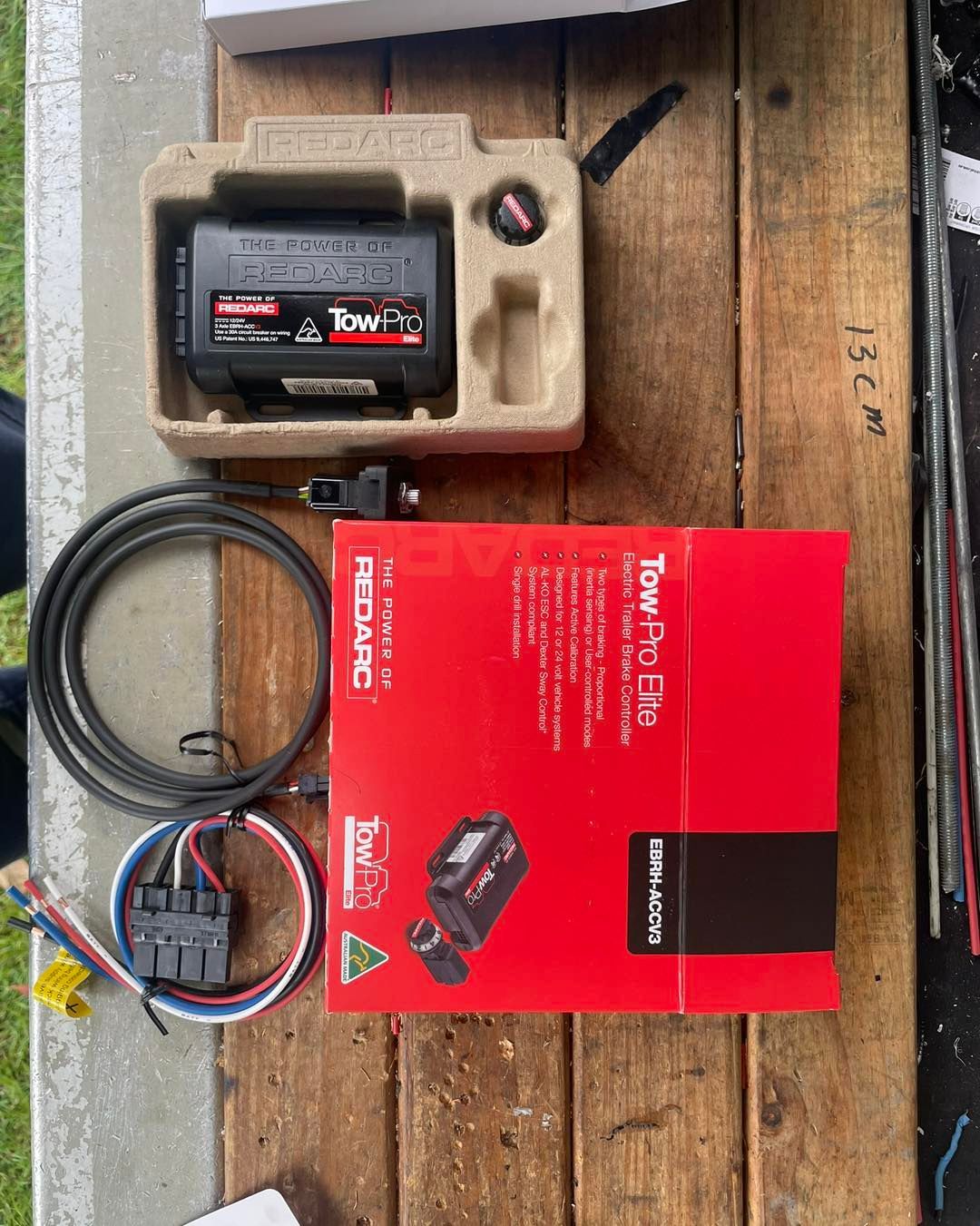
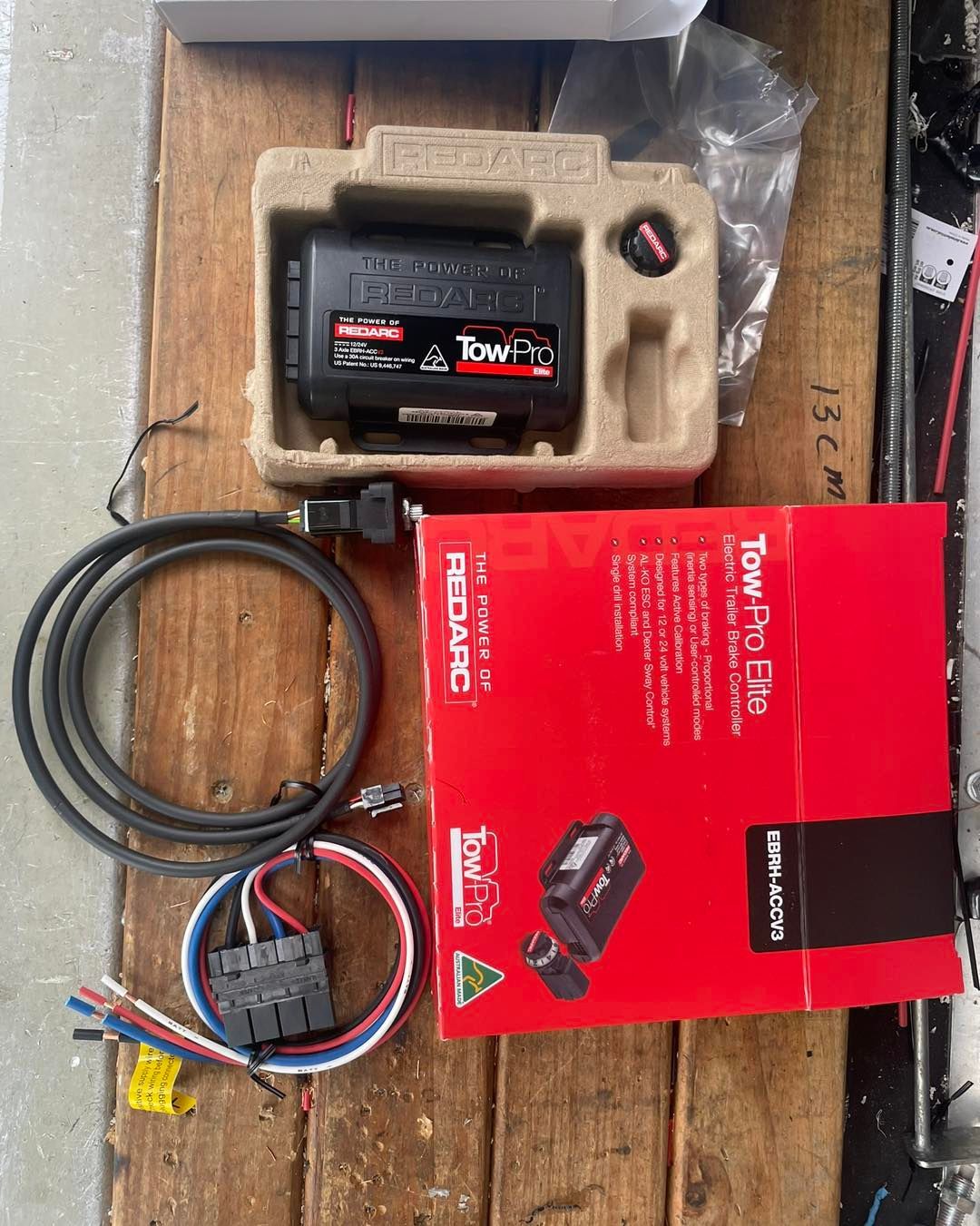
At Glenn Rowe Auto Electrics, we fit electric brake control units that suit the way locals actually tow on these roads. Caravans heading toward Springbrook need a different setup to boat trailers easing down the ramps at Tallebudgera Creek.


We'll walk you through the quirks of your new brake controllers so you get smooth braking across the coast. If you’d like brake controllers fitted by people who know the area well, give us a call on 0477 123 586.
Contact Us

The Best Match for Your Trailer


Gold Coast towing usually means switching between flat coastal streets and sharp climbs as soon as you turn toward the hinterland. That’s where cheaper brake controllers start showing their limits.


A good unit picks up pedal changes quickly so your trailer doesn’t sway or push when you take those winding sections on Hinze Dam Road or ease downhill near Advancetown.


We look at how your trailer behaves across varied traffic and road surfaces then set your unit so uneven ground, highway stop–starts and longer descents feel easier to handle. When the brake controller matches your setup, every stop feels calmer and every corner feels more manageable.

Get In Touch

Frequently Asked Questions

  • Why do boat trailers often need fine-tuning after a brake controller is fitted?

    Boat trailers regularly move between dry roads and wet ramps, which exposes their wiring, magnets and shoes to moisture and corrosion. This can cause the brakes to grab unevenly, even when the controller is functioning properly.


    Reversing down ramps also adds wear to the contacts that engage the trailer’s brakes, which changes how quickly they respond. After a few trips, a short gain adjustment helps even out the braking force so the trailer feels steadier behind the vehicle. It’s a simple tweak that often solves that jerkiness drivers notice after launch days.

  • Why do many caravan owners prefer proportional brake controllers over time-based units?

    Proportional controllers match the braking force of the tow vehicle instead of ramping up on a timed cycle. This creates smoother stops, especially with caravans that carry uneven loads or shift slightly as you brake.


    Time-based controllers work, but they can feel abrupt when you slow down gently or brake repeatedly in traffic.


    Proportional units also reduce heat build-up in caravan brakes because they only apply the necessary force each time.


    The result is better comfort, less brake wear and a more predictable feel during long trips.

  • Do brake control units behave differently when towing on steep or uneven roads?

    Yes, the grade and surface affect how a controller needs to respond. On steep declines, time-based controllers may apply too much or too little force because they don’t monitor real deceleration. This can lead to a noticeable pull or push from the trailer.


    Proportional brake control units handle this better because they measure actual braking effort and adjust instantly. Uneven surfaces also change how weight shifts across the trailer axle, so consistent braking signals prevent the trailer from feeling unsettled.


    Choosing a unit that can adapt to varied terrain makes towing safer and far less stressful.

  • Why might a dual-axle trailer feel smoother once a controller is adjusted properly?

    Dual-axle trailers naturally distribute weight more evenly, but they rely on balanced braking to make the most of that stability.


    If a brake control unit sends uneven voltage, one axle may do more of the work which causes dragging, scrubbing or a vague pulling sensation when slowing down.


    A proper adjustment matches the braking output to the trailer’s wiring, brake condition and load spread. Once balanced, the trailer tracks straighter, corners more cleanly at low speeds and reduces tyre wear.


    A small tuning change can make a noticeable difference in everyday towing feel.

  • Why are local driving patterns important when choosing a brake control unit?

    The stop-start flow of everyday driving reveals the strengths and weaknesses of different controller types. Time-based units can feel abrupt at lower speeds because they ramp braking up the same way each time, even if you’re barely touching the pedal.


    Proportional units handle these small inputs more naturally by mirroring how the tow vehicle slows.


    Drivers who tow through traffic, car parks or frequent roundabouts often appreciate the smoother pedal feel. It’s less about distance travelled and more about how varied the braking situations are throughout a typical trip.

Ask A Question