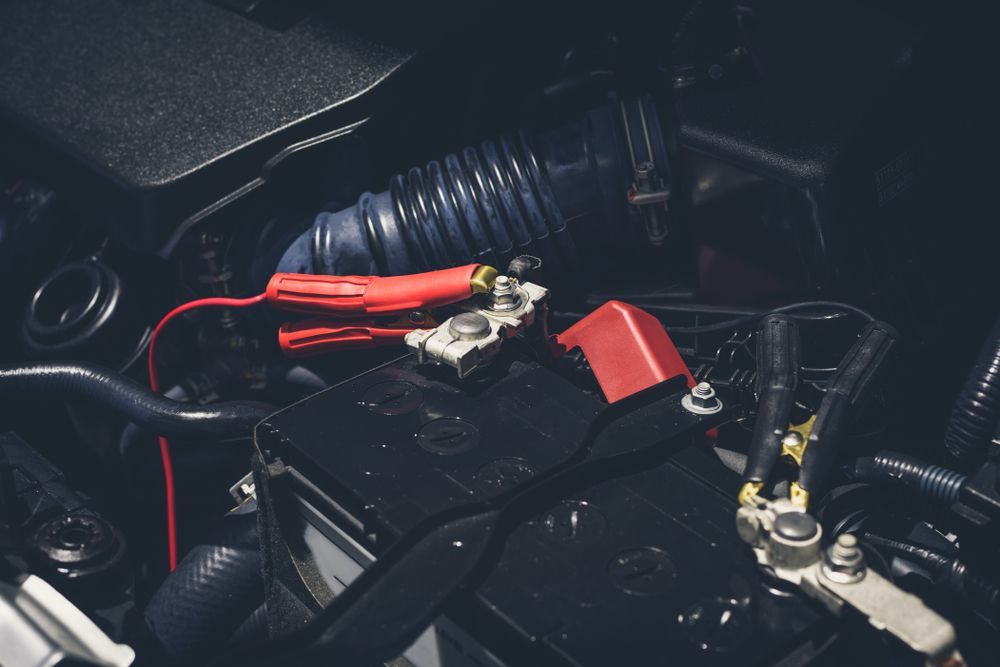
Mobile Auto Electrician & Accessory Fitting in Murwillumbah

Book Today

Contact Glenn Rowe Auto Electrics in Murwillumbah


Straightforward Help From Your Auto Electrician


Driving around Murwillumbah comes with its own set of electrical challenges. One morning you’re rolling past Commercial Road with light traffic, then later you’re crossing the Tweed River Bridge or heading toward the Uki turn-off where long climbs and sudden descents put very different loads on your vehicle.


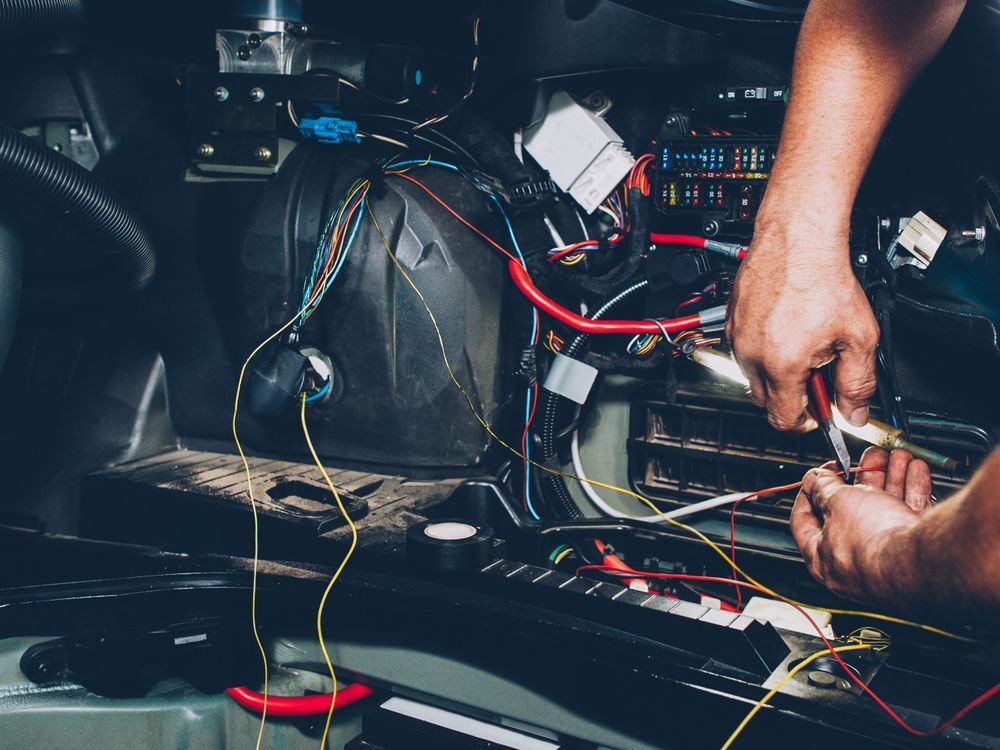
At Glenn Rowe Auto Electrics, we take care of the electrical quirks these mixed routes expose. We offer mobile auto electrical help when the battery dies at home, marine electrical support for locals heading out on the river, caravan and trailer wiring that stays steady through winding country roads and gear like brake control units and Anderson plugs that behave well under load.


As your local auto electrician, we keep the whole setup practical for the way Murwillumbah drivers actually use their vehicles. If anything feels off, get in touch with us on 0477 123 586.
Contact Us

Wiring Built For Valley Roads


It’s common for faults to appear only when you leave the flat parts of town and start climbing toward the foothills of Wollumbin. Heat builds up faster in wiring during long climbs, and older earth points can shift slightly under load which causes flickers that vanish as soon as you return to level ground.


Summer storms also play a part in electrical wear across the area because cabins fill with moisture which settles inside connectors overnight.


We watch how your wiring behaves in these shifting conditions so we can clean, secure and adjust the points most likely to give you grief later.
Get In Touch

Caravan & Trailer Electrical


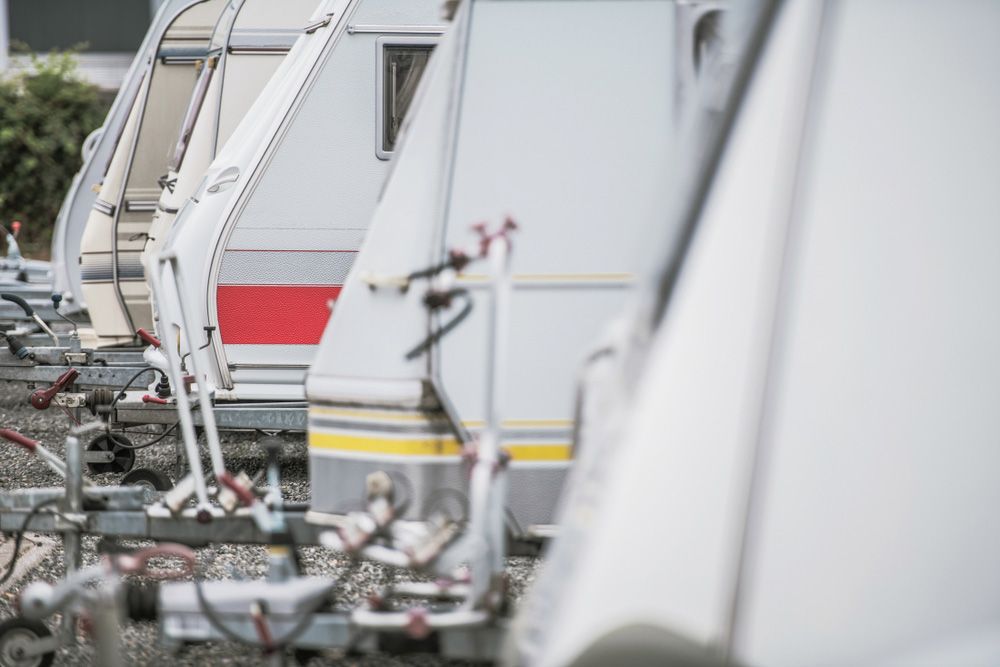
Murwillumbah travellers get caravan and trailer wiring that stays steady across rough rural roads, helping lights, brakes and charging lines work consistently.
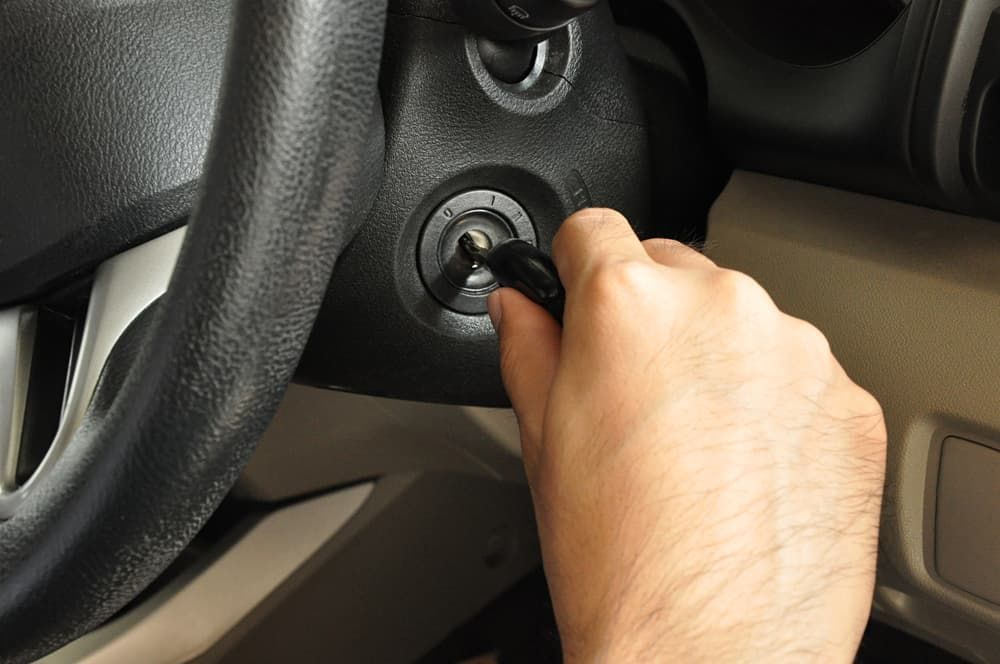
Mobile Auto Electrician


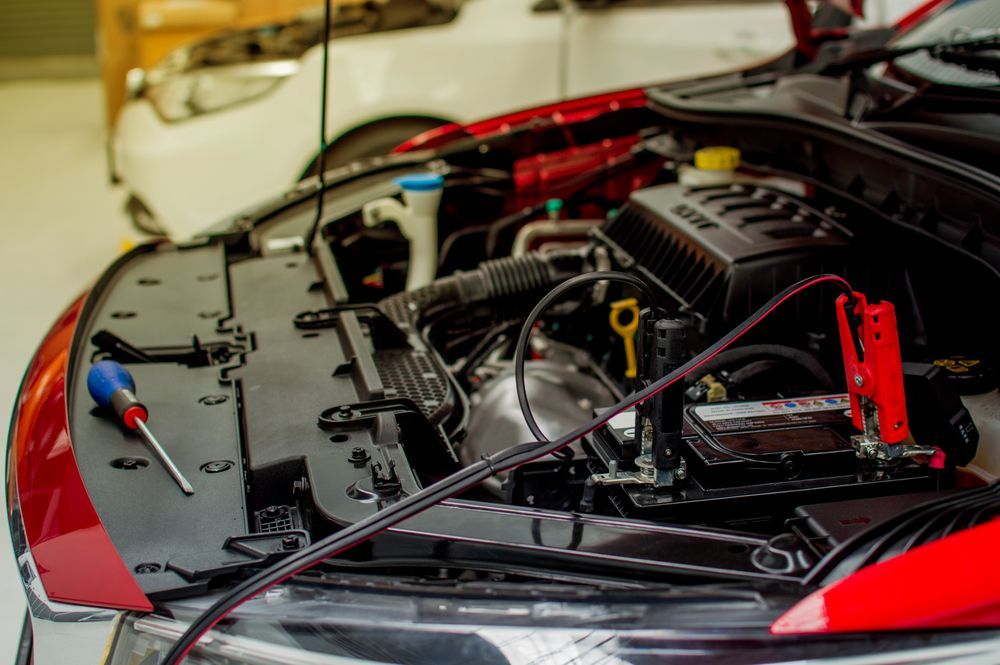
Murwillumbah motorists receive mobile help that tackles wiring faults, battery issues and accessory problems at home, keeping daily drives smoother.
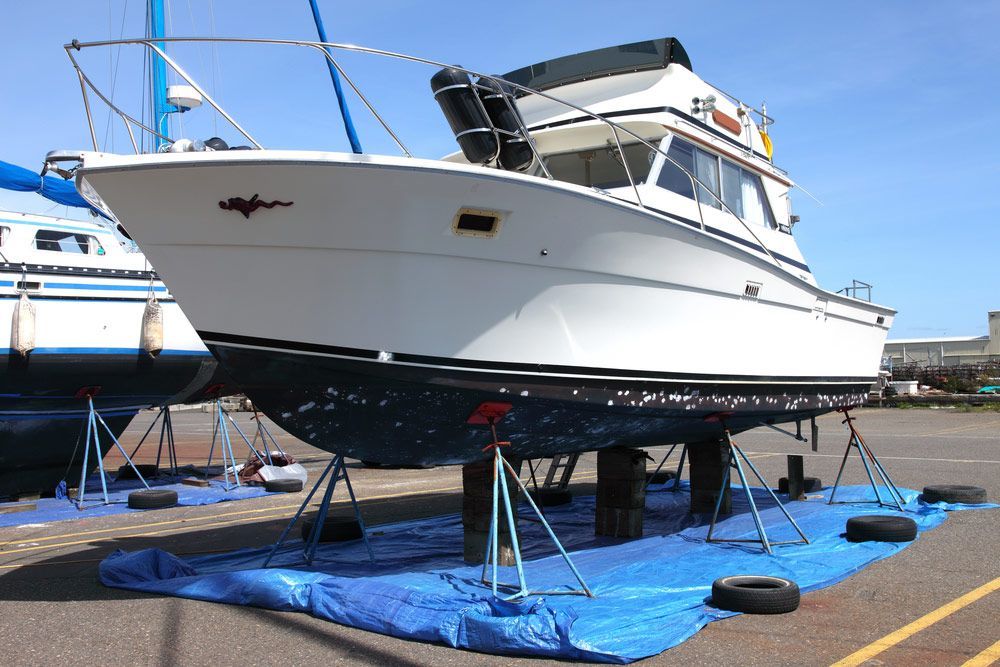
Marine Electrical


Murwillumbah boat owners get marine electrical support that handles moisture, vibration and steady onboard loads, pumps, lights and batteries.

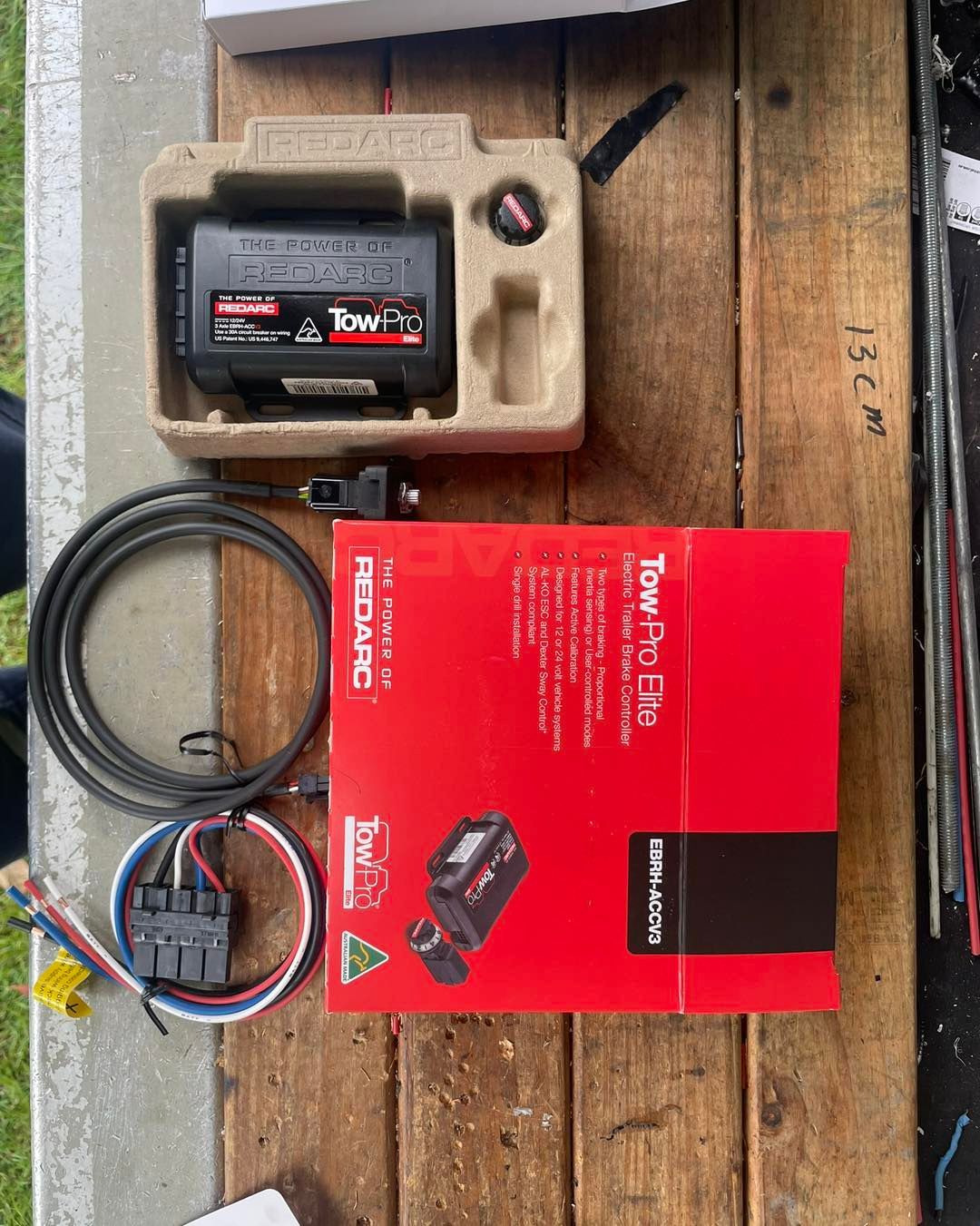
Electric Brake Controllers


Murwillumbah drivers benefit from electric brake controllers that match changing trailer weights, creating steadier braking during hill climbs, winding rural routes and stop–start traffic.
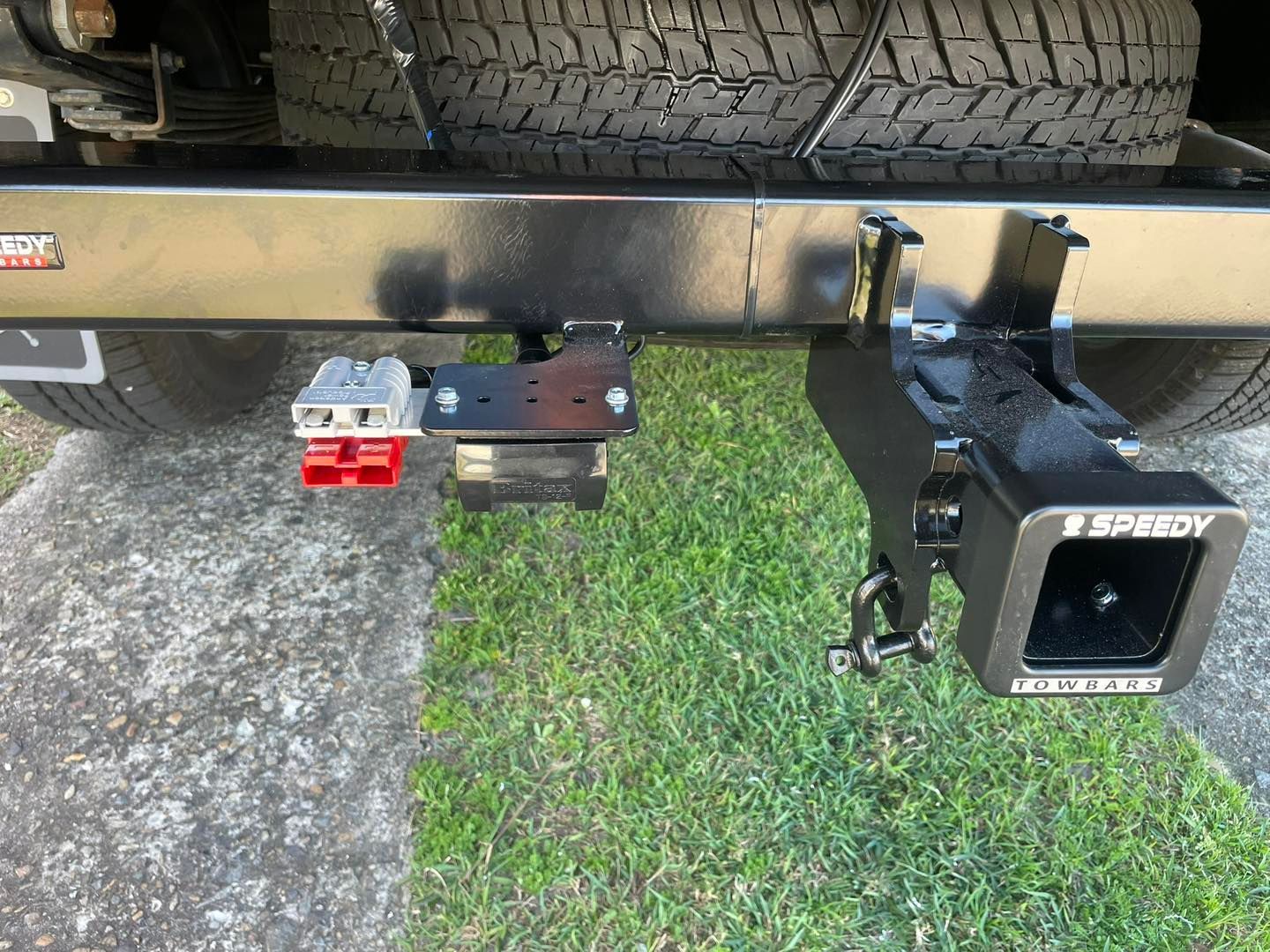
Anderson Plugs


Murwillumbah locals receive Anderson plugs fitted with clean contact and tidy cable runs that deliver stable charging for fridges, batteries and accessories.

Steady Current On Long Drives


Plenty of people in Murwillumbah tow equipment for work, run older 4WDs through backroads or haul gear between farms and the industrial estate.


That constant start–stop driving over uneven surfaces shakes wiring looms in ways that standard city driving never reveals. Long cable runs for fridges, pumps, solar regulators and brake control units need more attention because movement changes how contact pressure sits inside plugs and junctions.


We look closely at the sections that flex the most when you hit those gentle dips on Tweed Valley Way or the tighter bends beyond the showgrounds. When each part of the system works with the next, the whole setup just feels calmer on every trip.
Enquire Here

Contact Glenn Rowe Auto Electrics In Murwillumbah


Contact Us


Business Hours

Monday
-
Tuesday
-
Wednesday
-
Thursday
-
Friday
-
Saturday
-
Sunday
-

Frequently Asked Questions

  • Why do brake controllers behave differently once the trailer warms up on longer drives?

    Heat changes how trailer brakes respond. Once the drums warm, the magnets inside may react faster or slower depending on their age and surface condition. The controller sends the same current, but the heated mechanical parts alter how quickly the braking force builds.


    Cable resistance also increases slightly with temperature which affects the signal the controller delivers. On long drives, weight shifts from load movement can exaggerate this change.


    That’s why braking often feels different thirty minutes into a trip even though the controller settings haven’t changed. Testing during a warm run shows the true behaviour.

  • Why do marine electrics need more cable support than vehicle circuits?

    Marine wiring flexes more often because boats pitch, roll and vibrate in multiple directions. This constant movement weakens cable strands near connectors and makes poorly supported sections fail earlier.


    Moisture and salt also speed up corrosion, which narrows the effective contact surface inside terminals. Pumps, navigation lighting and communication gear draw steady current, so even small losses in contact quality are noticeable.


    Because marine circuits often serve single-purpose devices, any drop in voltage shows up instantly. Securing the cable and choosing corrosion-resistant connectors dramatically improves long-term stability.

  • Why do some accessories struggle even when the voltage reading at the battery looks healthy?

    A voltage reading at the battery shows potential, not how well power travels along the full circuit.


    Accessories positioned far from the battery rely on wiring that may be slightly undersized or ageing, which increases resistance and reduces voltage by the time it reaches the device.


    Even a small drop can affect fridges, compressors or lighting. Shared earth points can also restrict current flow under load.


    A multimeter reading at the battery alone doesn’t reflect what the accessory receives. Testing at both ends of the circuit reveals the real difference.

  • Why do Anderson plugs sometimes lose charging strength after a suspension upgrade?

    A suspension upgrade changes the angle and height of the vehicle which also changes how the trailer sits during towing. This alters the tension and movement across the Anderson plug cable path.


    If the plug sits higher or lower than before, the cable may flex more sharply or rub against new points. That movement weakens internal contact pressure over time and increases resistance.


    The plug may still click together properly yet carry less current under load. Adjusting the cable path after suspension changes usually restores charging speed.

Ask A Question

Other Locations We Service